The United Reformed Church Chesham
 |
| Home page |
|
| Newsletter |
|
| Contact details |
|
| Young people |
|
| Meet & Eat |
|
| Activities |
|
| History |
|
| What is the URC |
|
| Easy fundraising |
|
| Urdu/Punjabi |
|
| Christingle Song |
|
| Links |
|
| Safeguarding |
|
| Data Privacy Statement |
|
|
March/April/May 2026 Newsletter
Dear Friends,
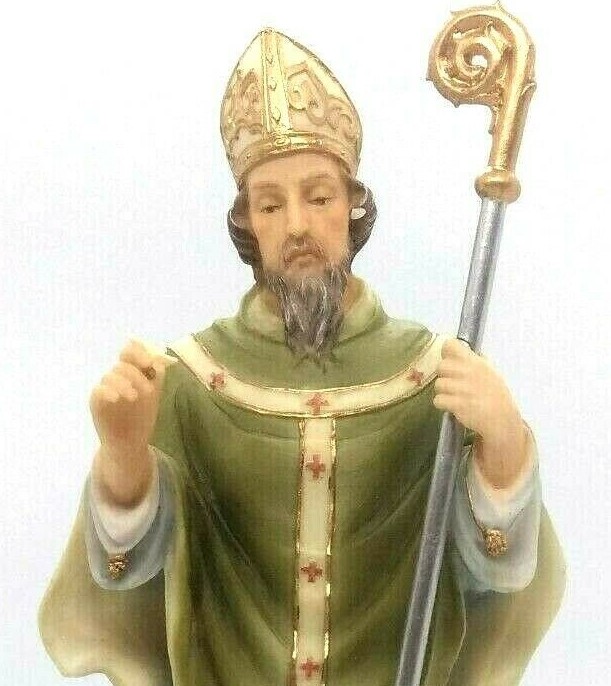
Writing this at the end of January I can scarcely believe that this tetter will be read during Lent, when our worship will be looking towards Easter. They do say, that when you get older, time can pass more quickly, at the moment it seems to be galloping! As the date for this magazine will start with March, I am going to indulge in thoughts of home, and in particular St. Patrick and the beginnings of Irish Christianity.
I think it is well known that Patrick first carne to Ireland from Britain as a young lad, enslaved, and put to minding his master's flocks. That was near Slemish Hill in today's County Antrim. Either there, or when he managed to escape back to Britain, he became a Christian and resolved to return to Ireland, to spread the faith there. It is written that he sailed up the little River Slaney in AD 432, and landed at a spot now Anglicized as Saul, in County Down. A little church now marks the spot, as the Vikings destroyed the original building. For 30 odd years he criss-crossed the country, bringing the message of Christ's love and peace to the warring tribes. He is supposed have died on 17th March, AD 461, and to be to be buried in the grounds of what is now Downpatrick Cathedral. Come St. Patrick's Day I often wonder what he would make of the public celebrations including street parades as in New York, little green leprechauns (obviously pagans!!) and the enormous amounts of Irish beer or whiskey consumed, all in his memory!!
His memory is better served - and honoured - by the followers he left behind in Ireland, and the way they carried his message of the Trinity and Christ's love across the island, across Britain (Iona and Lindisfarne) to France, Bregenz in Austria and St. Gallen in Switzerland in the 6th century. St. Gallen is twinned with my home town of Bangor, on Belfast Lough - not the Welsh one! St. Comgall had founded a famous monastery in Bangor AD 555-558, and people came to study there from Britain and Europe. Saints Columbanus and Gall went from Bangor on their missionary journeys, and reached Bobbio in Northern Italy, where their names are remembered. All that is left now in Bangor is part of a rough wall, believed to be from the monks' dormitory as the Vikings were always thorough in their plundering. The irony of course is that eventually the Vikings too were converted to Christianity, so buildings come and go, but the Good News prevails, so let us carry that thought with us as we move towards Easter.
I'd like to share a Celtic blessing with you now:
ln your homes and hearts the blessing of God,
ln your goings and comings the peace of God,
ln your words and actions the love of God... Amen
Heather Al-Jawad